
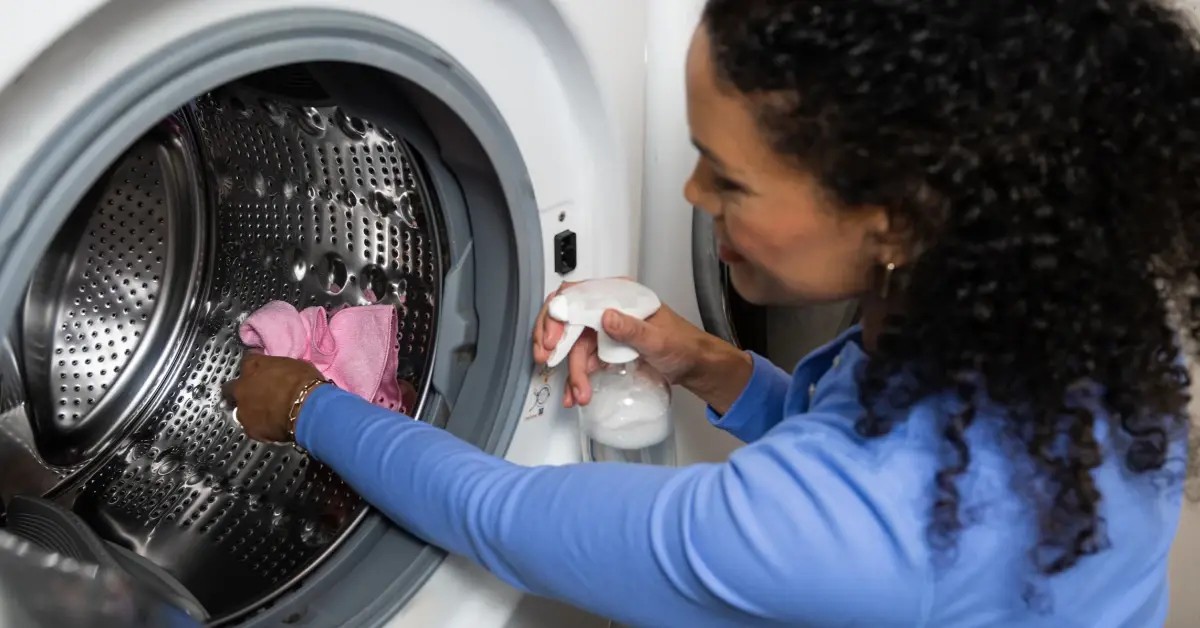
Discovering your washing machine filled with soapy water and soaked clothes can be incredibly frustrating. Your first thought is likely, “What’s causing my washer to not drain properly?” Fortunately, this represents one of the most common household problems. Most drainage issues can be fixed easily without needing to contact a professional plumber.
This guide will walk you through exactly how to fix washing machine not draining. You will learn how to identify the main causes, safely empty the trapped water, and perform step-by-step troubleshooting. By the end of this post, you will know how to get your appliance running smoothly again.
Why Your Washing Machine Is Not Draining
When a washer stops emptying water, a few usual suspects are typically to blame. Knowing what causes these problems will help you find the right solution faster..
1. Most Common Causes You Should Know:
Your machine will fail to drain when something is physically blocking it or when a mechanical part stops working properly. Small items like socks, coins, or heavy lint can clog the drain hose or the pump filter. Alternatively, the drain pump itself might be broken, or the lid switch may be faulty, signaling the machine to halt the cycle.
2. Signs Your Washer Has a Drainage Problem
You usually notice a problem when you open the door and see standing water. Other signs include clothes that are excessively heavy and wet at the end of a cycle, a strange humming noise coming from the machine, or the cycle pausing unexpectedly before the spin phase.
How Does a Washing Machine Drain Water? (Quick Overview)
During a normal wash cycle, the machine fills with water, agitates the clothes, and then empties the dirty water. The internal control panel sends a signal to the drain pump. The pump then pushes the water out of the drum, through a filter, and up into the external drain hose. The hose carries the water away into your home’s plumbing system. If any part of this path is blocked or broken, you will end up with a washer not draining water.
Step-by-Step: How to Fix a Washing Machine That Won’t Drain
Use these straightforward steps to safely troubleshoot and repair your appliance.
Step 1 – Turn Off Power & Safety Check
Before beginning any repair work, disconnect your washing machine from the electrical outlet. Mixing water with electricity creates serious hazards. Check that the area surrounding the machine has no standing water to avoid slipping accidents.
Step 2 – Manually Drain the Water
You need to remove the standing water before inspecting the parts. Grab a bucket and some old towels. If you have a front-loading machine, locate the small access door at the bottom front. Use the small emergency drain tube to empty the water into a shallow pan. For a top loader, you may need to scoop the water out with a plastic pitcher.
Step 3 – Check and Clean the Drain Hose
Move the machine away from the wall to access the back. Locate the thick plastic drain hose. Pull it out of the wall standpipe and inspect the end for heavy lint buildup or debris. Clean out any visible gunk.
Step 4 – Inspect for Blockages or Kinks
Look closely at the entire length of the drain hose. If the hose is bent, crushed, or severely kinked, water cannot flow through it. Straighten the hose. You can also run water through it with a garden hose to push out internal clogs.
Step 5 – Clean the Pump Filter & Coin Trap
Most front loaders have a pump filter located behind the bottom access panel. Unscrew the filter slowly, as some residual water will spill out. Pull out any coins, hairpins, lint, or buttons trapped inside. Clean the filter with running water and tighten it back into place.
Step 6 – Check the Drain Pump
When both the filter and hose are functioning properly, the problem may lie with the drain pump. Access the pump by taking off either the front or rear panel of your washing machine. Examine the pump for a damaged belt or a blocked impeller. A pump that produces loud grinding sounds or won’t turn on typically requires replacement.
Step 7 – Run a Test Cycle
Reconnect the power to your washer. Start an empty “Rinse and Spin” cycle without any laundry. Monitor the cycle carefully to confirm that water drains correctly. If the tub empties, you have successfully solved the problem.
Advanced Troubleshooting (If Problem Still Exists)
If your washer not draining remains an issue, you might be dealing with a more complex electrical or mechanical fault.
Check Lid Switch or Door Lock
Top loaders have a small switch under the lid that tells the machine the door is closed. Front loaders have a similar electronic door latch. If this switch is defective, the machine will refuse to drain or spin. Test the switch with a multimeter for continuity.
Reset the Washing Machine
Sometimes the internal computer simply experiences a glitch. Unplug the washer for five minutes to reset the control board. Plug it back in and try running a basic drain cycle.
Inspect Power Supply Issues
Ensure the wall outlet is providing enough voltage. A tripped circuit breaker or a blown fuse on the control board can stop the pump from receiving power.
Check Water Level Control
The water level switch monitors how much water is inside the tub. If the clear plastic tube connected to this switch is clogged with debris, the machine might not realize it is full of water and will fail to trigger the drain pump.
Inspect Water Inlet Valve
While mostly responsible for letting water in, a faulty inlet valve can sometimes leak continuously, making it seem like the washer is failing to drain because water keeps accumulating.
Examine Washing Machine Belts
Many older washers use belts to drive the pump. If the belt is loose, frayed, or broken, the pump cannot turn. Inspect the belts underneath the machine and replace them if they show heavy wear.
Check Drain Vent & Proper Drain Height
Your home plumbing needs a vent to allow air into the pipes, which helps water flow smoothly. Additionally, the drain hose must be positioned at the correct height (usually at least 30 inches high). If the hose is pushed too far down the standpipe, it can cause a siphoning effect.
How to Unblock a Washing Machine Drain
If the problem lies in your home’s plumbing rather than the machine itself, you will need to clear the standpipe.
Tools You’ll Need
You will need a bucket, rubber gloves, a plumbing snake (drain auger), and some old towels.
Step-by-Step Drain Unclogging Guide
Disconnect the washing machine’s drain hose from the pipe in the wall. Insert the plumbing snake into the pipe opening. Rotate the snake’s handle to advance the cable further into the pipe until you encounter resistance. Use a twisting motion with the cable to break apart any buildup of lint or soap residue that’s causing the blockage, then withdraw the snake completely. Finally, dump a bucket of hot water down the pipe to verify that water flows through without obstruction.
How to Drain a Washing Machine Full of Water (Emergency Fix)
If you have a top-loading washer not draining, gravity is your best friend. Unplug the machine. Disconnect the drain hose from the wall. Lower the hose into a large bucket resting flat on the floor. Gravity will pull the water out of the tub and into the bucket. Empty the bucket as needed until the tub is dry.
Fixing Specific Cases
Different styles of machines have unique quirks when it comes to drainage.
Front Load Washing Machine Not Draining
Front loaders are notorious for trapping small items in the coin trap. Always check the small filter at the bottom front of the unit first. Also, ensure you are using High Efficiency (HE) detergent to prevent excess suds from blocking the pump.
Top Load Washing Machine Not Draining
Top loaders often suffer from broken lid switches or worn-out pump belts. Check the switch under the lid rim. If it does not click when you press it, it likely needs replacing.
Washer Not Draining Completely
If your clothes are soaking wet but there is no standing water, the machine is draining too slowly. This usually points to a partial blockage in the drain hose or a pump that is beginning to fail.
Washer-Dryer Not Draining
Combo units share a pump for washing and condensation drying. If lint builds up from the drying cycle, it can clog the water drain. Clean the lint filters and the lower pump access filter regularly.
Why Your New Washing Machine Is Not Draining
It is highly frustrating when a brand-new appliance fails. This is almost always due to user error during setup.
Installation Mistakes
Many new machines come with a shipping plug located inside the drain port to protect it during transit. If you forget to remove this plug before attaching the hose, the water has nowhere to go.
Incorrect Drain Setup
If you taped the drain hose tightly to the wall pipe, you might have created an airtight seal. The hose needs a small air gap around it to drain properly without causing a vacuum block.
Common Mistakes That Cause Drain Issues
You can prevent many appliance headaches by changing how you do laundry.
Overloading Clothes
Cramming too many clothes into the drum puts massive strain on the motor and pump. It also increases the chances of small garments slipping over the drum edge and clogging the pump.
Too Much Detergent
Using excessive soap creates massive amounts of suds. These suds trap lint and dirt, creating a thick sludge that clogs the hoses and the water level pressure tube.
Improper Usage Habits
Failing to empty your pockets is the number one cause of blocked pumps. Coins, tissues, and keys will quickly destroy the internal plastic impellers of a drain pump.
Tips to Prevent Washing Machine Drain Problems
Taking a few minutes for regular maintenance will extend the life of your appliance. Always check pockets before loading clothes. Clean the pump filter every two months. Run a hot water cycle with white vinegar once a month to dissolve soap scum. Make sure the drain hose is secured properly so it does not kink against the wall.
When to Call a Professional Repair Service
If you have checked the hoses, cleaned the filter, and the washing machine won’t drain, it is time to call an expert. You should also seek professional help if you smell burning electrical odors, if the machine leaks from the bottom motor area, or if you are not comfortable using a multimeter to test electrical switches.
Repair vs Replace – What’s the Better Option?
A new drain pump generally costs between $50 and $150, making it an affordable repair. However, if your machine is over ten years old, requires a new motor, or needs a costly control board replacement, buying a new, energy-efficient model is usually the smarter financial decision.
Final Quick Checklist to Fix Drain Issues Fast
Before you give up, run through this final checklist to ensure your washer functions properly:
- Did you unplug the machine safely?
- Is the drain hose free of kinks and bends?
- Have you removed all lint and coins from the pump filter?
- Is the lid switch clicking properly?
- Does the wall pipe drain water without backing up?
By following these guidelines, you can identify why your washer is not draining and take the right steps to restore your laundry routine. Keep this guide handy so you know exactly what to do the next time you face a stubborn pool of wash water.